 Save
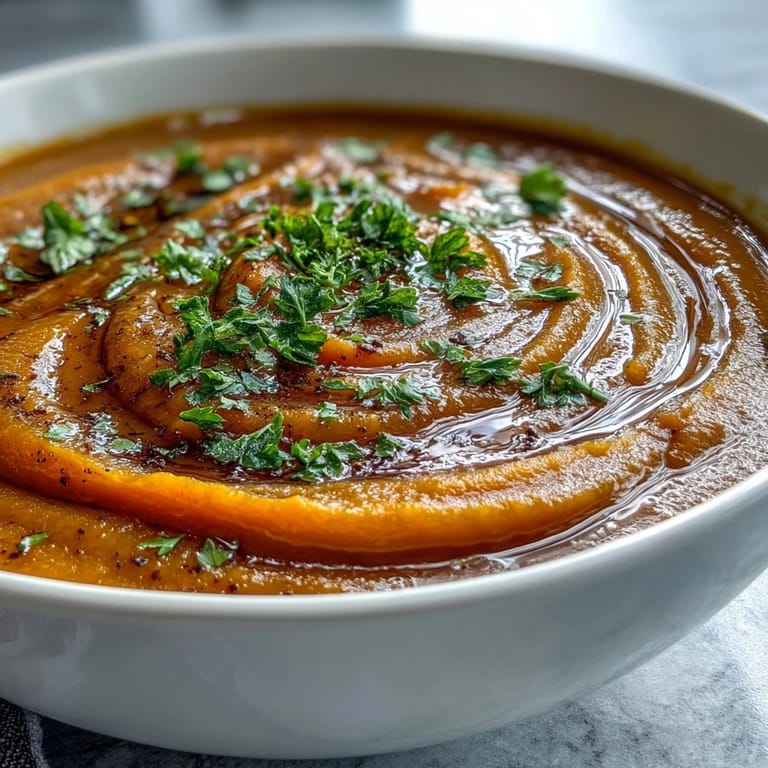
Save The first time the air turned crisp last October, I found myself staring at a pile of mismatched vegetables on the counter. I wanted something that felt like a hug but did not require hours of hovering over a stove. Roasting everything together seemed like a lazy solution, yet the resulting aroma filled the whole house. That batch of soup turned out better than any fancy restaurant version I had ever ordered. It was the day I realized that high heat and a little patience do all the heavy lifting for you.
My kitchen felt like a sanctuary while these vegetables hissed and bubbled in the oven. I sat on the floor with a book, occasionally catching a whiff of the garlic as it softened into something sweet. When the timer finally buzzed, the colors on the tray were deep and vibrant. There is something incredibly satisfying about watching raw, firm produce transform into a velvety gold liquid. Sharing that first bowl with my roommate made the chilly evening feel much warmer.
Ingredients
- Carrots and Sweet Potato: These provide the backbone of the soup and develop a candy like sweetness when roasted at high heat.
- Red Bell Pepper and Zucchini: These add a subtle smokiness and a refreshing lightness that balances the heavier root vegetables.
- Red Onion and Garlic: Roasting these whole or in large chunks mellows their bite into a rich savory base.
- Olive Oil: A generous drizzle ensures every piece gets those crispy edges that provide the deep flavor.
- Vegetable Broth: Choose a high quality version because it carries the spices and brings everything into a cohesive blend.
- Thyme and Rosemary: These woody herbs are the secret to making your kitchen smell like a professional bistro.
- Smoked Paprika: Just a pinch adds a layer of depth that makes people think you used a wood fired oven.
Tired of Takeout? 🥡
Get 10 meals you can make faster than delivery arrives. Seriously.
One email. No spam. Unsubscribe anytime.
Instructions
- Prep the Roast:
- Toss your chopped vegetables with oil and spices on a lined tray until they are glistening and well coated. Ensure they are in a single layer to get the best color.
- The Golden Hour:
- Roast them at 425 degrees until the edges are charred and the sweet potato chunks yield easily to a fork. This usually takes about 30 to 35 minutes depending on your oven.
- The Big Simmer:
- Slide all those caramelized bits into a pot with the broth and let them get acquainted over a gentle heat. A short ten minute simmer helps the roasted flavors infuse into the liquid.
- Smooth it Out:
- Use an immersion blender to swirl the mixture into a silky texture that coats the back of a spoon. Be careful of hot splashes while you work the blender through the pot.
- The Final Touch:
- Taste for salt and pepper before ladling into bowls for the best serving experience. This is the moment to adjust the thickness with a little extra broth if needed.
 Save
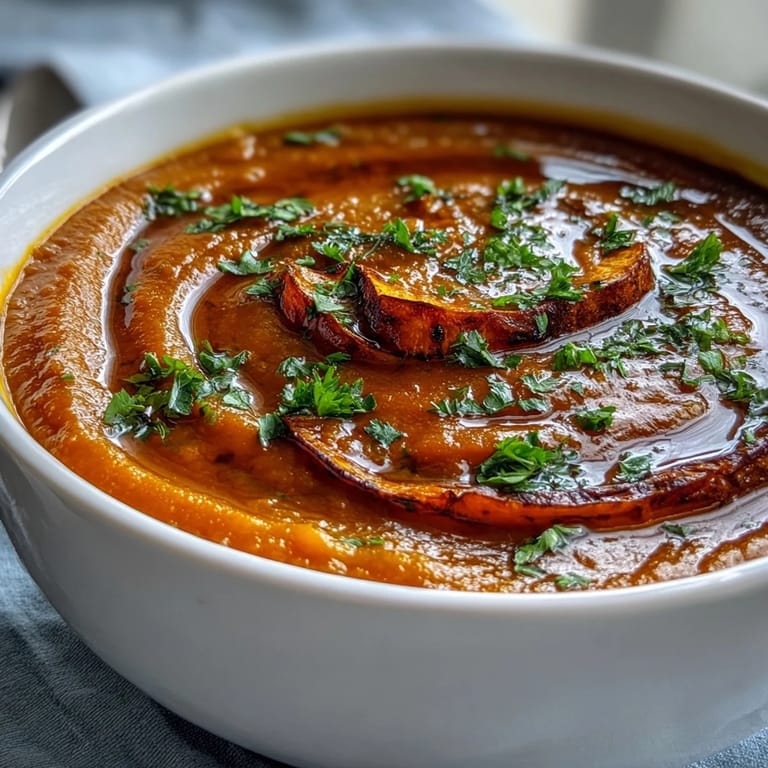
Save Last winter I made this for a friend who was feeling under the weather and had lost her appetite. The sight of the vibrant orange soup topped with crunchy croutons actually made her smile. We sat by the window and watched the rain while the steam from the bowls clouded the glass. It was one of those quiet moments where food felt like real medicine. I have never looked at a simple carrot the same way since.
Finding Your Texture
The beauty of this blend is that you can control exactly how thick or thin it ends up. If you prefer a rustic feel, you can leave a few chunks of sweet potato unblended for a bit of bite. For those who love a decadent finish, a splash of heavy cream or coconut milk stirred in at the end changes the whole profile. I usually start with less broth and add it slowly until the consistency feels just right for dipping crusty bread.
Playing with Produce
Do not feel tethered to the specific vegetables listed in the pantry if you have other items that need using. Parsnips bring a wonderful peppery note while butternut squash adds a creamy density that is hard to beat. Even a few stray leeks can be tossed onto the roasting tray for an extra layer of oniony sweetness. The roasting process is very forgiving and welcomes variety with open arms.
Serving and Storage
This soup actually tastes even better the next day after the spices have had time to fully bloom. It freezes beautifully in individual portions, making it a lifesaver for busy weeknights when you have zero energy to cook. I always make sure to have some toppings ready to keep things interesting for leftovers.
- A handful of toasted pumpkin seeds adds a necessary crunch to the smooth base.
- Fresh parsley or cilantro provides a bright pop of color and a grassy finish.
- A drizzle of your best olive oil right before serving elevates the dish instantly.
 Save
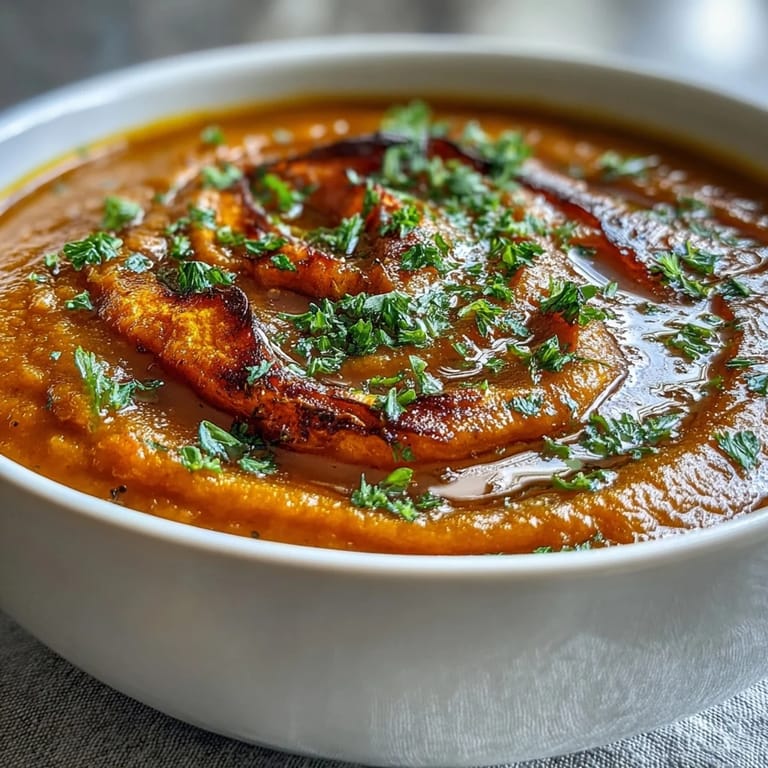
Save This soup is a testament to how simple ingredients and a hot oven can create something truly magical. I hope it brings as much warmth to your table as it has to mine over the years.
Recipe FAQs
- → Can I use different vegetables?
Absolutely. This method works beautifully with parsnips, butternut squash, leeks, cauliflower, or any seasonal vegetables you have available. Keep the total amount roughly the same for consistent results.
- → How long does this soup keep?
Store cooled soup in an airtight container in the refrigerator for up to 3 days. Reheat gently on the stovetetop, adding a splash of broth or water if needed to adjust consistency.
- → Can I freeze this soup?
Yes, this soup freezes well for up to 3 months. Cool completely before transferring to freezer-safe containers, leaving space for expansion. Thaw overnight in the refrigerator before reheating.
- → How do I make it creamier?
Stir in ¼ to ½ cup of coconut milk, heavy cream, or cashew cream before blending. For a dairy-free option, coconut milk adds lovely richness and subtle sweetness that complements the roasted vegetables.
- → What's the best way to blend?
An immersion blender directly in the pot is easiest and creates less mess. If using a countertop blender, work in batches and vent the lid to release steam. Always blend hot mixtures carefully.