 Save
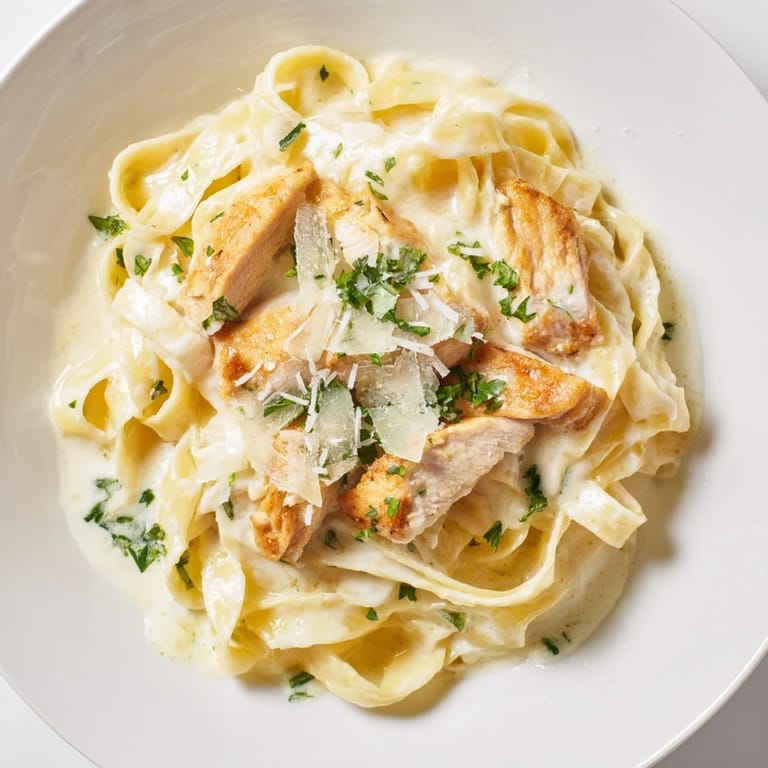
Save There's something almost magical about the first time you nail Fettuccine Alfredo at home—that moment when you realize the silky sauce clinging to the pasta is better than any restaurant version because it's yours. I discovered this dish not through fancy training, but through a quiet weeknight when I had cream, butter, and Parmesan waiting in my fridge and nothing else seemed right. The simplicity of it startled me: just four ingredients transforming into something that tastes like it took hours. Now it's the dish I reach for when I want to feel accomplished without the stress, or when I'm cooking for someone I want to impress without showing off.
I remember cooking this for my friend Marcus on a cold winter evening when he was stressed about a job interview. He walked in looking worried, and by the time the pasta hit the plate, the kitchen smelled so buttery and rich that he actually laughed—real relief in that laugh. He said it tasted like someone cared, which is maybe the truest thing about comfort food. That's when I understood this wasn't just a recipe; it was a small act of kindness wrapped in cream and Parmesan.
Ingredients
- Fettuccine pasta (400g): Fresh or dried, both work beautifully—just make sure you have enough pasta water reserved because it's your secret weapon for silky sauce.
- Unsalted butter (60g): The foundation of everything; using unsalted gives you control over salt levels and lets the cream shine.
- Heavy cream (250ml): Full-fat is non-negotiable here—lighter versions break and separate, and you'll wonder what went wrong.
- Freshly grated Parmesan cheese (120g): Pre-grated cheese has anti-caking agents that can make your sauce gritty; block cheese grated at home changes everything.
- Garlic clove (1, optional): A whisper of garlic adds depth without overpowering the cream and cheese—mince it fine and sauté it briefly in butter to unlock its flavor.
- Salt and freshly ground black pepper: Taste as you go; restaurant Alfredo often tastes richer because it's properly seasoned.
- Nutmeg (pinch, optional): This tiny addition sounds strange until you taste it—it adds a warmth that makes people ask what your secret is.
- Chicken breasts (2, optional), olive oil (2 tbsp), salt and pepper: Pound the chicken slightly so it cooks evenly, then sear it hard in hot oil for a golden crust that adds real texture.
- Fresh parsley and extra Parmesan for garnish: The color of parsley lifts the dish visually, and more Parmesan is never wrong.
Tired of Takeout? 🥡
Get 10 meals you can make faster than delivery arrives. Seriously.
One email. No spam. Unsubscribe anytime.
Instructions
- Start your pasta water:
- Fill a large pot with water, salt it generously (it should taste like the sea), and get it to a rolling boil. This salted water seasons the pasta from within, not just on the outside. Drop in the fettuccine and stir it immediately so the strands don't stick together.
- Cook the pasta to al dente:
- Follow package time but taste it a minute before—you want it tender but with just a whisper of firmness when you bite it. Scoop out a full cup of starchy pasta water before draining; this liquid gold will rescue your sauce if it ever gets too thick.
- Prepare the chicken (if using):
- Pat the chicken dry with paper towels, then season both sides generously. Heat oil in a large skillet over medium-high heat until it shimmers, then lay the chicken down—listen for that satisfying sizzle. Cook 6-7 minutes per side without moving it too much; you're building a golden crust that holds in the juices.
- Build the sauce base:
- In a separate large pan over medium-low heat, melt the butter slowly—rushing this step risks burning it. If you're using garlic, add it now and let it perfume the butter for 30 seconds, then pour in the cream and stir constantly.
- Simmer the cream:
- Let it bubble gently for 2-3 minutes, watching it thicken slightly and take on a rich golden hue. This step matters because you're cooking off some water and concentrating the flavors.
- Add the Parmesan:
- Lower the heat to low—this is crucial because high heat makes cheese clumpy and bitter. Whisk in the grated Parmesan slowly, one handful at a time, stirring constantly until each addition melts completely before adding more. The sauce should look silky and smooth, clinging to your whisk.
- Season with precision:
- Taste it now and adjust salt, pepper, and add that optional pinch of nutmeg. Remember, Parmesan is already salty, so go easy.
- Toss everything together:
- Add the drained fettuccine to the sauce and toss gently with tongs, coating every strand. The residual heat will continue cooking the pasta slightly, making it even silkier. If it looks too thick, splash in some of that reserved pasta water—start with a tablespoon and go from there.
- Plate and serve immediately:
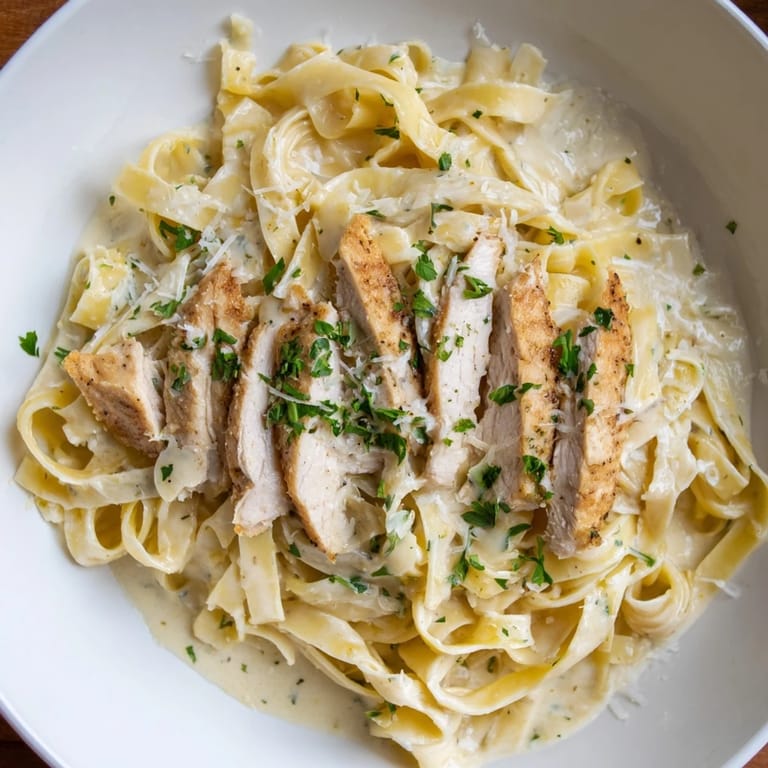
- Alfredo waits for no one; the moment you plate it, top with sliced chicken if using, a scatter of fresh parsley, and a final shower of Parmesan cheese. Serve right away while the warmth is still rising from the bowl.
 Save
Save There was a moment at my grandmother's table when she tasted my Alfredo for the first time, and she got quiet in that way that means something mattered. She said it reminded her of a little restaurant in Florence where she'd had pasta as a young woman. Food became a bridge across decades, and that's when I realized this simple dish carries weight beyond its ingredients.
The Art of Not Overthinking It
Alfredo teaches a lesson that took me years to learn: sometimes less is genuinely more. Four ingredients don't need creativity or improvisation—they need respect and attention. I used to add cream to cream and butter to butter, thinking I was improving things, until I made it exactly as it should be and understood that simplicity isn't laziness. The best dishes often come from confidence in restraint, not complexity. When you trust the ingredients, you stop second-guessing yourself.
Timing and Temperature Matter
Once you understand that Alfredo is a dance between heat control and emulsion, everything changes. Low heat isn't about being gentle; it's about giving the cream and cheese time to marry into something silky rather than splitting into puddles of grease. I learned this through mistakes—burned butter, grainy cheese, sauce that looked like it was breaking before my eyes. Now I respect the low flame like a cook respects their sharpest knife, knowing it's the difference between magic and disappointment.
Variations and Confidence
Once you master the base Alfredo, you understand that it's a canvas, not a limitation. The most interesting meals come from small additions—mushrooms sautéed until golden and nutty, peas that pop against the creaminess, even a whisper of lemon zest that brightens everything without announcing itself. Some cooks substitute Pecorino Romano for a sharper, more assertive flavor, and that works too if you like your sauce to have an edge. The point is that you can explore confidently once you know what the foundation tastes like.
- Sautéed mushrooms add earthiness and body without overwhelming the cream.
- Fresh peas or asparagus bring color and a delicate sweetness that plays well with Parmesan.
- A squeeze of fresh lemon juice at the very end lifts everything, making the dish feel lighter while tasting just as rich.
 Save
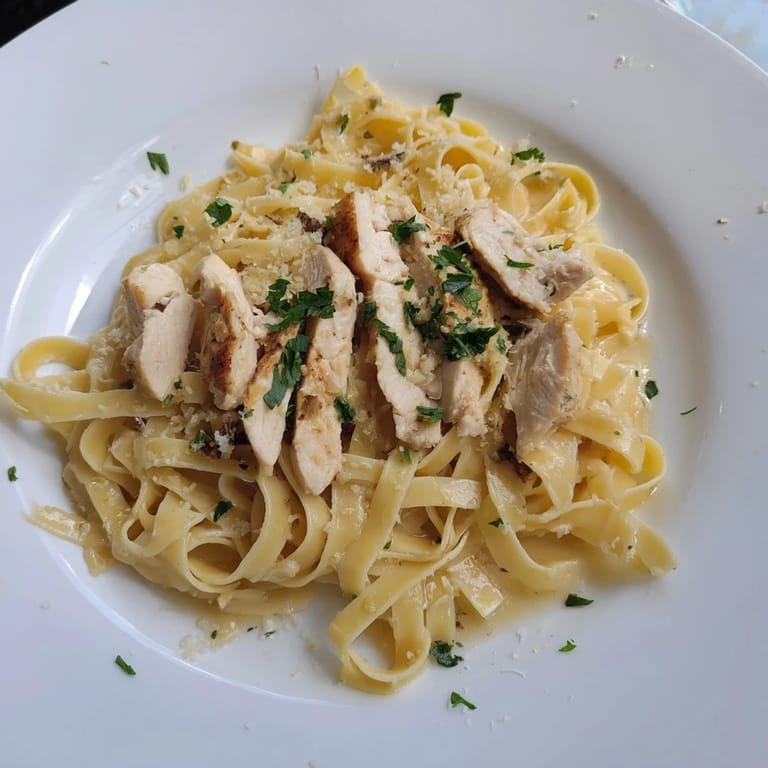
Save Make this when you need comfort, when you want to impress without stress, or simply because it takes 30 minutes and tastes like you spent an hour thinking about someone. Alfredo is proof that the most satisfying meals are often the simplest ones, made with your full attention and a little bit of love.
Recipe FAQs
- → How can I prevent the sauce from separating?
Ensure the sauce simmers gently over low heat and whisk constantly when adding Parmesan. Avoid boiling after cheese addition.
- → Can I use fresh pasta instead of dried fettuccine?
Fresh pasta works well but cooks faster; reduce boiling time to prevent overcooking and adjust sauce consistency accordingly.
- → What is the best cheese substitute for Parmesan?
Pecorino Romano offers a sharper flavor and works well if Parmesan isn't available or for a twist on the classic taste.
- → How do I keep the chicken juicy and tender?
Season chicken, sauté over medium-high heat until golden, cook fully but avoid overcooking, and let rest before slicing.
- → Can I add vegetables to this dish?
Sautéed mushrooms or peas can be added to the sauce for freshness and texture without overpowering the creamy base.