 Save
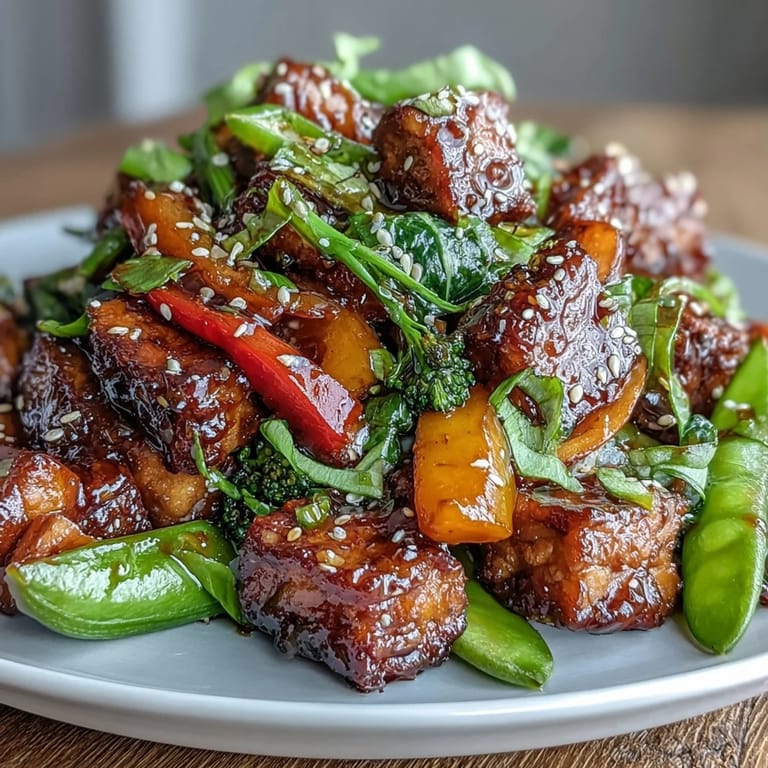
Save I discovered tempeh stir-fry on a Tuesday when my usual tofu had gone soft in the fridge and I was too stubborn to order takeout. That golden, nutty cube sizzling in the wok changed everything—suddenly I wasn't settling for dinner, I was actually excited about it. The vegetables started singing in the heat, and by the time that glossy sauce hit the pan, my kitchen smelled like a restaurant I couldn't afford. Now this is what I reach for when I want something that feels fancy but takes barely longer than a phone call.
I made this for my friend who'd gone vegan and showed up to dinner apologizing for the inconvenience, like she'd asked me to climb a mountain. Watching her face when she tasted it—when she realized this wasn't some virtuous sacrifice meal but something genuinely delicious—made the whole thing worthwhile. She asked for the recipe before dessert, which honestly felt like the highest compliment.
Ingredients
- Tempeh, 250 g cut into 1 cm cubes: This fermented soy cake has a nutty, slightly firm texture that gets wonderfully crispy when fried, unlike tofu which can turn mushy if you blink.
- Red and yellow bell peppers, 1 of each, sliced: They add natural sweetness and color, but slice them thick enough that they stay snappy and don't turn to mush.
- Medium carrot, julienned: A julienne (thin matchstick cut) is worth the effort because it cooks quickly and adds a delicate sweetness that blends beautifully with the sauce.
- Sugar snap peas, 100 g trimmed: These stay wonderfully crisp and sweet if you don't overcook them—they're the texture anchor of this whole dish.
- Broccoli florets, 100 g: Cut them small enough to cook through in minutes, and they'll add earthiness without turning bitter.
- Spring onions, 2 sliced: Add these at the very end so they stay fresh and bright; cooked spring onions taste like sadness.
- Garlic and ginger, 2 cloves and a 2 cm piece: These two create the aromatic foundation—mince them finely so they bloom instantly when they hit the hot oil.
- Soy sauce, 3 tbsp: Use tamari if gluten matters to you, but don't skip it or you lose the soul of the sauce.
- Rice vinegar, 1 tbsp: This adds brightness that keeps the sauce from tasting heavy, which is the secret nobody talks about.
- Maple syrup or agave, 1 tbsp: Just enough sweetness to balance the salty-savory elements without making it taste like dessert.
- Toasted sesame oil, 1 tsp: A small amount goes a long way; this is where the nutty, restaurant-quality flavor comes from.
- Cornstarch, 1 tsp: This thickens the sauce so it clings to everything instead of pooling at the bottom of your bowl.
- Vegetable oil, 2 tbsp: Use something with a high smoke point like sunflower or canola so your pan stays clean and your tempeh browns properly.
- Sesame seeds and cilantro, for garnish: These feel optional until you taste the difference they make—they're like the punctuation mark on the whole thing.
Tired of Takeout? 🥡
Get 10 meals you can make faster than delivery arrives. Seriously.
One email. No spam. Unsubscribe anytime.
Instructions
- Make the sauce first so you're not scrambling later:
- Whisk together soy sauce, water, rice vinegar, maple syrup, sesame oil, and cornstarch in a small bowl and set it aside. Having this ready means you can move fast once the wok gets hot, which is the whole point of stir-frying.
- Get the tempeh golden and nutty:
- Heat 1 tablespoon of oil in your wok over medium-high heat and add the tempeh cubes, stirring occasionally for 4–5 minutes until they're golden on all sides. This step matters because you're building flavor and texture, not just warming things up.
- Wake up the aromatics:
- Add the remaining oil and immediately hit it with the garlic and ginger, cooking for about 30 seconds until your whole kitchen smells incredible. Don't walk away or let them burn—you want fragrant, not charred.
- Cook the vegetables until they're snappy-tender:
- Toss in the bell peppers, carrot, sugar snap peas, and broccoli, stirring constantly for 4–5 minutes. You're looking for vegetables that still have a slight firmness when you bite them, not soft and sad ones.
- Bring it all together with the sauce:
- Return the tempeh to the wok, give the sauce a quick stir (the cornstarch settles), pour it over everything, and toss for 1–2 minutes until it thickens slightly and coats every surface. If your sauce looks too thin, you didn't whisk it enough at the start; if it's too thick, a splash of water fixes it instantly.
- Finish with spring onions and heat:
- Remove from heat, stir in the spring onions so they stay bright and fresh, then scatter sesame seeds and cilantro on top if you're feeling fancy. Serve immediately over rice or noodles while everything is still hot and steaming.
 Save
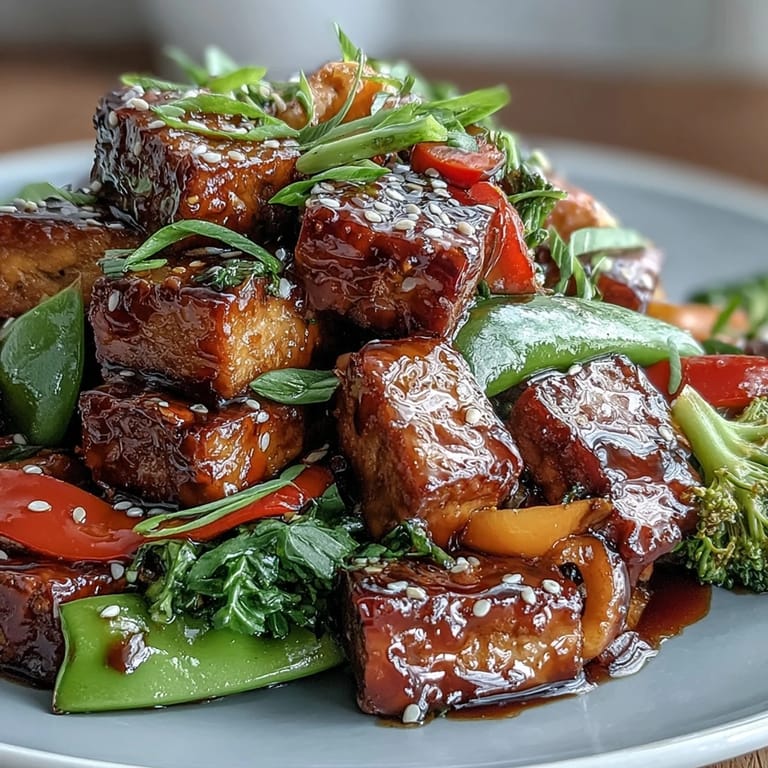
Save This dish became my answer to the question I used to dread: what's for dinner? Now it's the meal I suggest when I want to feel capable and the kitchen feels chaotic at the same time.
Vegetables You Can Swap in Whenever
The beauty of stir-fries is that they're flexible without being forgiving—you can swap vegetables based on what's in season or what you actually like, but you still need to respect the cooking time. Mushrooms add an earthy richness, baby corn stays sweet and mild, zucchini cooks down quickly, and snap peas can be replaced with green beans if you prefer them. The only rule is don't add wet vegetables without draining them first, because all that extra moisture will steam everything instead of frying it.
If You Want a Little Heat
Chili flakes or sriracha are both honest additions that don't mask the other flavors; add them to the sauce mixture before cooking if you like the heat built in, or pass it at the table so people can choose their own adventure. I've found that a teaspoon of chili flakes mixed into the sauce right before serving gives a slow burn that builds as you eat, which feels more interesting than a sharp upfront heat. Start small because you can always add more, and it's genuinely hard to un-spice something.
What to Serve It With and Why It Matters
Jasmine rice or soba noodles are classic pairings, but they're not just sides—they're vessels for that glossy sauce and the whole point of making extra. White rice is quieter and lets the stir-fry shine, while soba noodles add chewiness that makes the meal feel more substantial and restaurant-like. Brown rice works too if you're in that phase, but it needs a few extra minutes to cook so plan accordingly.
- A squeeze of fresh lime at the table brightens everything up and cuts through the richness in the most satisfying way.
- If you have leftover stir-fry, add a splash of water and it becomes a quick lunch the next day, though it's never quite as good as the first night.
- Toast your own sesame seeds in a dry pan for 2–3 minutes if you have them loose; the difference between fresh-toasted and been-sitting-in-the-jar is honestly noticeable.
 Save
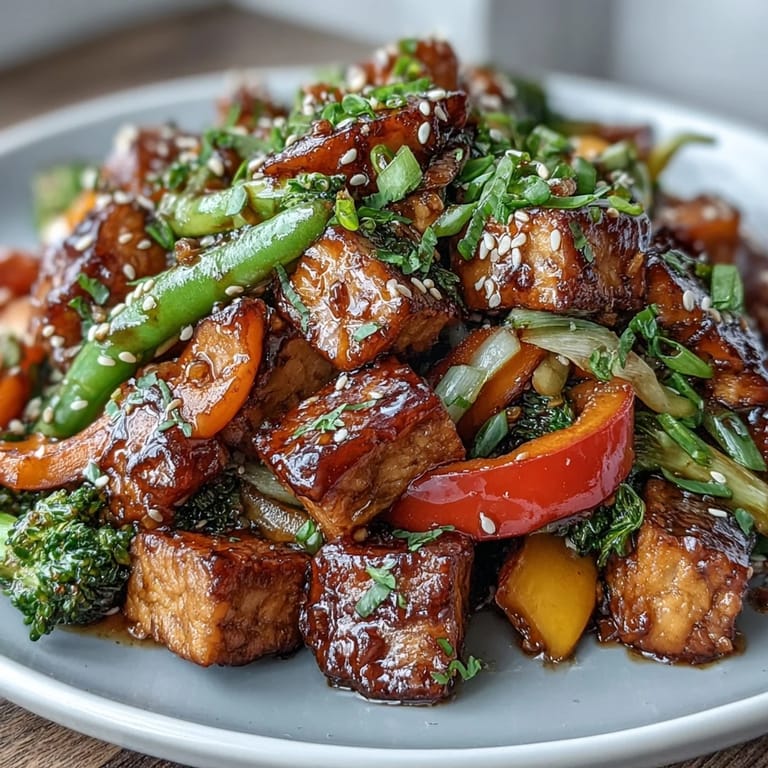
Save This stir-fry became proof that wholesome food doesn't have to taste like punishment, which changed how I think about cooking for myself. When you can make something this good in 30 minutes, suddenly you're not ordering delivery because you're tired—you're actually choosing to cook.
Recipe FAQs
- → What vegetables work best in this stir-fry?
Bell peppers, carrots, sugar snap peas, and broccoli provide excellent color and texture contrast. Feel free to swap in mushrooms, baby corn, zucchini, or snow peas based on seasonal availability and personal preference.
- → How do I prevent the tempeh from becoming dry?
Cut tempeh into uniform 1cm cubes and cook until golden on all sides. The sauce will add moisture back during the final tossing stage. Avoid overcooking the tempeh initially, as it will continue cooking with the vegetables.
- → Can I make this dish gluten-free?
Simply substitute regular soy sauce with tamari in the sauce mixture. All other ingredients including tempeh, vegetables, and seasonings are naturally gluten-free.
- → How should I store leftovers?
Store cooled stir-fry in an airtight container in the refrigerator for up to 3 days. Reheat gently in a skillet over medium heat, adding a splash of water if needed to loosen the sauce.
- → What makes the sauce thicken properly?
The cornstarch in the sauce mixture creates the thickening effect. Whisk all sauce ingredients thoroughly before adding to the wok, and continue cooking for 1-2 minutes after pouring to activate the thickening properties.
- → Can I add more protein?
The tempeh provides 15g of protein per serving. For additional protein, consider adding edamame, cashews during the final minute of cooking, or serving alongside tofu cubes.