 Save
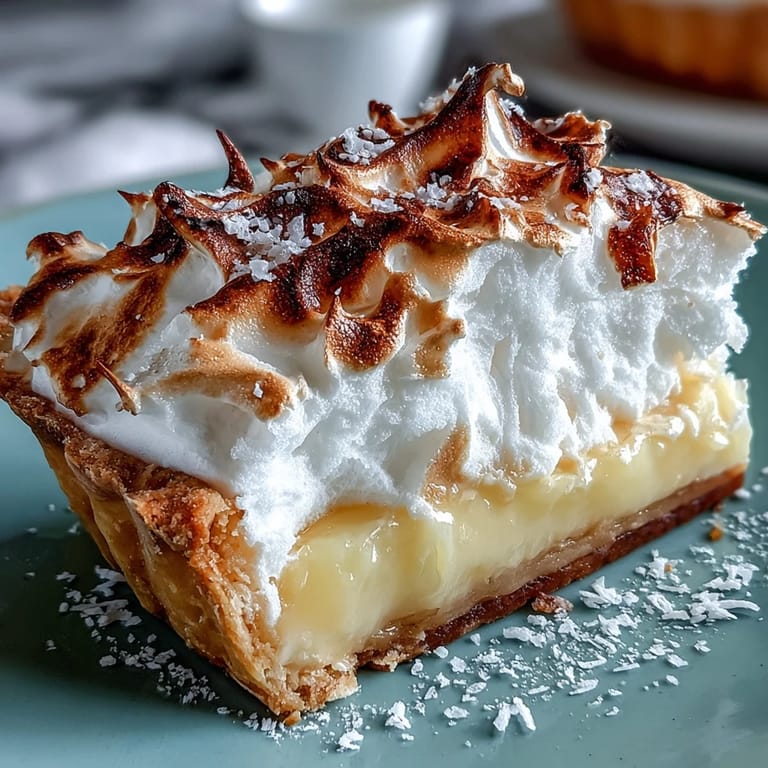
Save My neighbor brought over a slice wrapped in foil one summer afternoon, and I ate it standing at the counter with the fridge door open. The tartness hit first, then the sweet cloud of meringue, and I realized I'd been eating grocery store pies my whole life without knowing what I was missing. I asked for the recipe that same evening. Now it's the dessert I make when I want to feel like I know what I'm doing in the kitchen, even when everything else is a mess.
I made this for my mom's birthday once, and she cried before she even tasted it because her own mother used to make it every Easter. I hadn't known that. It's funny how a pie can unlock whole conversations you didn't know were waiting. We sat at the table for two hours that night, just talking and going back for seconds.
Ingredients
- All-purpose flour: The backbone of the crust, and using cold butter with it creates those flaky layers that shatter when you press your fork down.
- Cold unsalted butter: It must be cold, or the crust will be tough instead of tender, I learned that the hard way on attempt number two.
- Ice water: Add it slowly, just until the dough holds together, because too much makes it sticky and impossible to roll.
- Granulated sugar: It goes in the crust for a hint of sweetness, in the filling for balance, and in the meringue to make it glossy and stable.
- Cornstarch: This is what thickens the filling without making it taste like flour, and it sets up beautifully when chilled.
- Egg yolks: They give the filling that rich, custardy texture and a sunny color that looks like concentrated sunshine.
- Freshly squeezed lemon juice: Bottled juice will not give you the same brightness, trust me, fresh lemons are the only way.
- Lemon zest: It adds an aromatic punch that juice alone can't deliver, and it makes your kitchen smell like a citrus grove.
- Egg whites: Room temperature whites whip up faster and higher, so pull them out of the fridge while you make the filling.
- Cream of tartar: It stabilizes the meringue and keeps it from collapsing, which I didn't use the first time and regretted immediately.
- Unsalted butter: A little goes into the filling at the end to make it silky and give it a subtle richness.
Tired of Takeout? 🥡
Get 10 meals you can make faster than delivery arrives. Seriously.
One email. No spam. Unsubscribe anytime.
Instructions
- Prepare the Pie Crust:
- Mix the flour, salt, and sugar, then cut in the cold butter until it looks like wet sand with a few pea-sized lumps. Add ice water a tablespoon at a time, mixing gently until the dough just holds together when you press it, then wrap it up and let it chill for at least an hour so it relaxes and rolls out easily.
- Blind Bake the Crust:
- Roll the chilled dough into a circle, press it into your pie dish, prick the bottom with a fork, and line it with parchment and pie weights. Bake it at 400°F until the edges are golden, then remove the weights and bake a little longer until the whole thing is crisp and ready to hold that filling without getting soggy.
- Make the Lemon Filling:
- Whisk together sugar, cornstarch, and salt in a saucepan, then add water and cook over medium heat, stirring constantly until it thickens and bubbles like lava. Temper your egg yolks by adding a bit of the hot mixture first, then whisk everything back in and cook for two more minutes before stirring in lemon zest, juice, and butter until it's smooth and glossy.
- Make the Meringue:
- Beat the egg whites and cream of tartar on high speed until soft peaks form, then gradually add sugar and keep beating until the peaks are stiff and shiny. Fold in the vanilla at the end, and don't overbeat or it will get grainy.
- Assemble and Bake:
- Pour the warm lemon filling into the cooled crust, then spread the meringue over the top, making sure it touches the edges all the way around to seal it. Bake at 350°F until the meringue is golden brown and toasted, then let it cool completely before chilling for at least two hours so everything sets up perfectly.
 Save
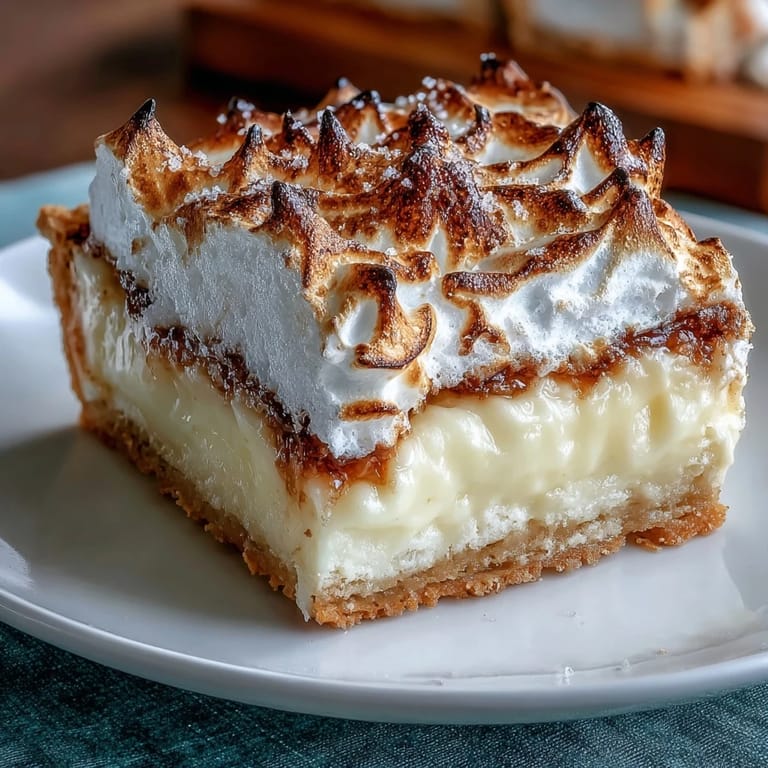
Save I served this at a backyard dinner once, and someone said it tasted like the kind of pie that makes you want to sit on a porch and do nothing for a while. I didn't know how to take that at first, but then I realized it was the best compliment I'd ever gotten. It's a pie that makes people slow down.
Getting the Meringue Right
The first time I made meringue, I underbeat it and ended up with sweet foam instead of peaks. The second time, I overbeat it and it turned grainy and weird. Now I stop the mixer as soon as the peaks stand up straight and hold their shape when I lift the beaters. It's all about knowing when to stop, which is honestly a good life lesson too.
Storing and Serving
This pie is best the day you make it, but it will keep in the fridge for up to two days if you cover it loosely with plastic wrap. The meringue might lose a little height, but the flavor stays bright. I like to serve it cold with nothing else on the plate, because it doesn't need any help.
Make It Your Own
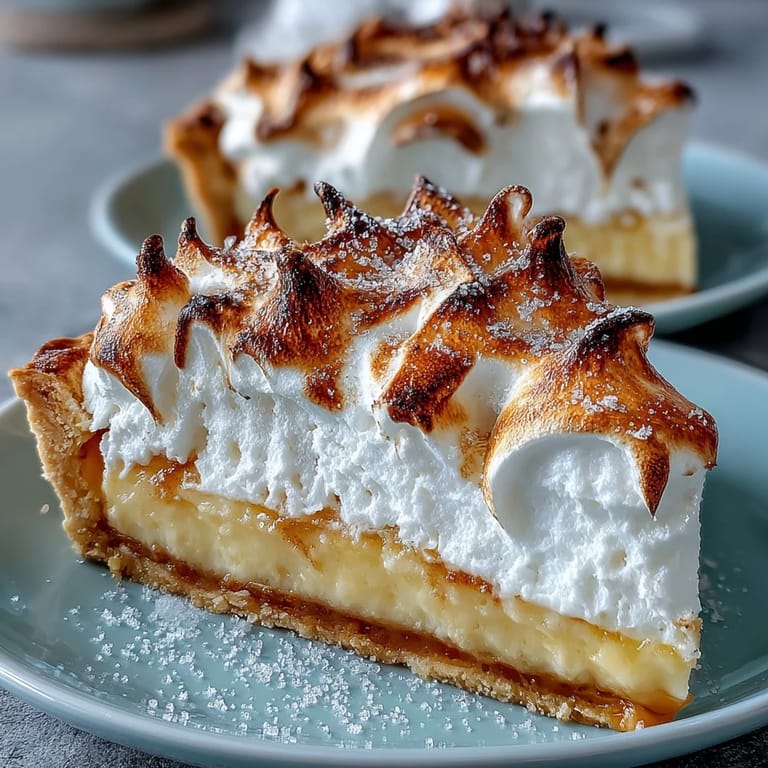
You can swap in Meyer lemons if you want something a little sweeter and less sharp, or add a tablespoon of lime juice to the filling for a twist. Some people like to torch the meringue instead of baking it, which gives you those dramatic dark peaks that look like a mountain range. I've done it both ways, and both are worth the effort.
- Brush the baked crust with egg white before adding the filling to keep it extra crisp.
- Use a sharp knife dipped in hot water to get clean slices without dragging the meringue.
- If you have leftover egg yolks, save them for custard or lemon curd, they freeze beautifully.
 Save
Save There's something about pulling a golden-topped pie out of the oven that makes you feel like you've accomplished something real. It's tart, it's sweet, it's everything a dessert should be, and it never gets old.
Recipe FAQs
- → How do I prevent my meringue from weeping?
Spread the meringue over warm filling and seal it completely to the crust edges. This prevents moisture from forming between layers. Bake immediately after applying meringue and avoid refrigerating while still warm.
- → Can I make the crust ahead of time?
Yes, you can prepare and blind-bake the crust up to 2 days in advance. Store it covered at room temperature. You can also freeze the unbaked dough for up to 3 months.
- → Why is my lemon filling runny?
The filling needs to reach a full boil to activate the cornstarch properly. Stir constantly and cook until thick and bubbly. Also ensure you're using the correct measurements and allow proper chilling time to set completely.
- → How long does lemon meringue pie last?
Store covered in the refrigerator for up to 3 days. The meringue may begin to weep after the first day, so it's best enjoyed within 24-48 hours of baking for optimal texture and appearance.
- → Can I use bottled lemon juice instead of fresh?
Fresh lemon juice is strongly recommended for the best flavor and brightness. Bottled juice often contains preservatives that can affect the taste and may not provide the same vibrant, tangy result.
- → What temperature should egg whites be for meringue?
Room temperature egg whites whip up to greater volume and create more stable meringue. Remove eggs from the refrigerator 30 minutes before using, or place them in warm water for 5-10 minutes.