 Save
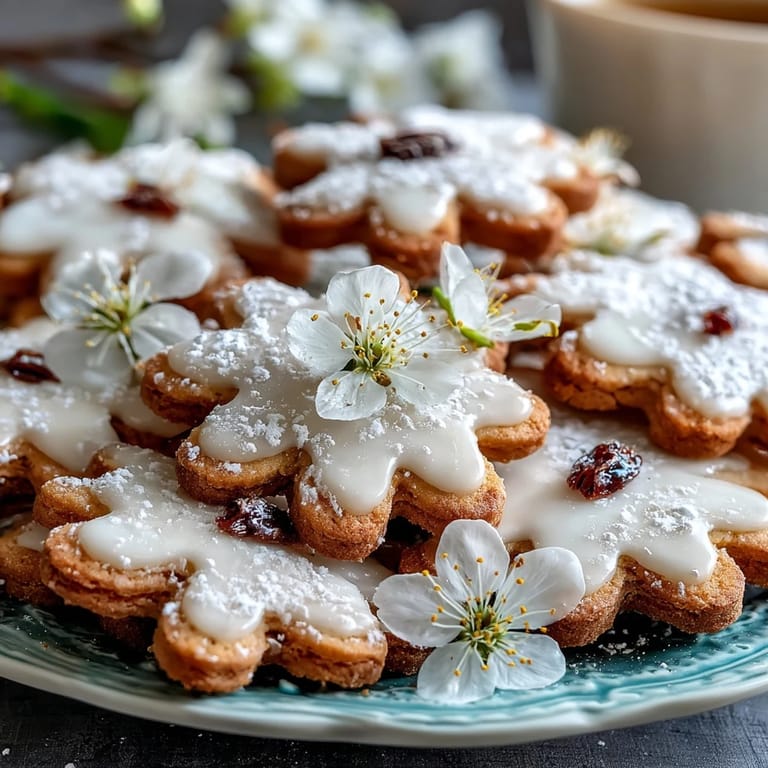
Save There's something about butter melting into flour that feels like magic, especially when you're standing in your kitchen on a grey afternoon with nothing but time and the vague idea that you want to make something beautiful. My neighbor knocked on the door one March with a box of vintage cookie cutters she'd found at an estate sale, and among the worn aluminum shapes was this delicate flower cutter that seemed to whisper possibilities. That's when I realized shortbread didn't have to be boring rounds on a plate—it could be a small garden, each cookie a petal waiting to catch the light.
I made these for my daughter's spring birthday tea party last year, and watching her friends pass around the flower-shaped cookies like they were tiny edible treasures made something click in my chest. One girl asked if I'd bought them from a fancy bakery, and my daughter said no with such pride that I knew I'd nailed something deeper than just taste. The kitchen had smelled like buttery warmth for hours, and somehow that aroma had become part of the memory she'd carry forward.
Ingredients
- Unsalted butter, softened (1 cup): This is your foundation—softened means it creams into the sugar like silk, never grainy or separated, which is why room temperature truly matters here.
- Granulated sugar (1/2 cup): Keeps the shortbread tender and helps create that melt-on-your-tongue texture that makes people close their eyes when they eat one.
- All-purpose flour (2 cups): The structure, measured by weight if possible because scooping can pack it too tight and result in dense, sad cookies.
- Cornstarch (1/4 cup): The secret ingredient that swaps some structure for pure tenderness—it's the difference between shortbread and a regular sugar cookie.
- Fine sea salt (1/4 tsp): A whisper that heightens the buttery flavor without making anything taste salty, so don't skip it or double it.
- Vanilla extract (1 tsp): Use real vanilla if you can taste the difference, though even pure extracts will do the job beautifully.
- Coarse sanding sugar or edible flower petals (optional): These transform plain cookies into a visual moment, catching light and suggesting celebration before anyone even tastes them.
- Powdered sugar or pastel icing (optional): For finishing touches that make you feel like a proper baker, even if the decorating is completely optional.
Tired of Takeout? 🥡
Get 10 meals you can make faster than delivery arrives. Seriously.
One email. No spam. Unsubscribe anytime.
Instructions
- Warm your butter properly:
- Leave it on the counter for 30 minutes so it's genuinely soft but not melting—when you press your finger into it, it should leave an indent without resistance. This matters more than you'd think because cold butter won't cream properly and warm butter makes greasy dough.
- Cream the butter and sugar:
- Beat them together for 2 to 3 minutes until the mixture looks pale and fluffy, almost like thick frosting. You're aerating and incorporating air, which helps the cookies bake up tender.
- Add the vanilla:
- Just one teaspoon, but swirl it in and let it sink in completely before you move forward. It's a small step that adds so much warmth.
- Combine dry ingredients separately:
- Whisk the flour, cornstarch, and salt together in another bowl so they're evenly distributed. This prevents pockets of salt from surprising you later.
- Bring the dough together gently:
- Add the dry mixture to the butter mixture a little at a time, stirring until the dough just barely comes together. Stop as soon as you don't see flour streaks—overworking develops gluten and makes shortbread tough instead of tender.
- Roll and shape:
- Place the dough between two sheets of parchment and roll to about 1/4-inch thickness. The parchment prevents sticking and rolling goes fast.
- Cut with intention:
- Press your flower cutter down firmly and lift straight up, then transfer cookies to your prepared baking sheets leaving about an inch between each one. They'll spread slightly but not dramatically.
- Add optional sparkle:
- If you're using sanding sugar or edible flowers, add them now before baking so they stick as the butter warms. This is where kitchen aesthetics happen.
- Bake until just golden:
- Watch carefully starting at 12 minutes—you want the edges touched with gold but the centers still pale and tender. Overbaking turns shortbread hard and bitter, underbaking leaves them doughy.
- Cool properly:
- Let them sit on the baking sheet for 5 minutes to firm up just enough to move, then transfer to a cooling rack. They'll continue firming as they cool and taste even better the next day when the flavors settle.
- Finish with grace:
- Once completely cool, dust with powdered sugar or drizzle with pastel icing if your mood allows. Plain ones are perfect too.
 Save
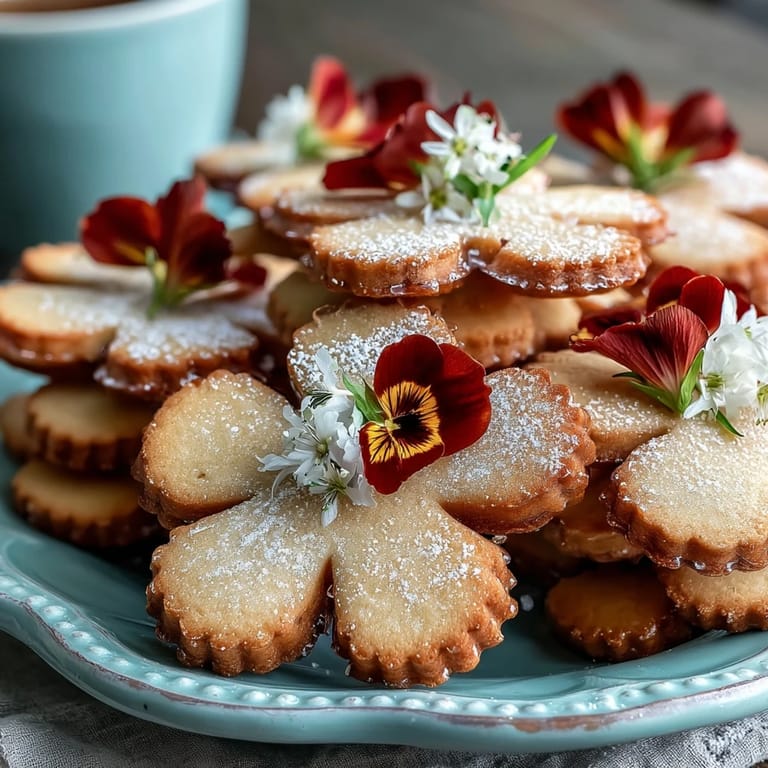
Save There was a moment when my eight-year-old grandson helped me decorate these with edible flowers and a dab of pale pink icing, and he said they looked like the garden from his picture book but better because you could eat them. He handed me one to taste-test, watching my face like he'd created art, and in a way he had—together we'd turned butter and flour into something that mattered. That's when dessert stops being about the recipe and becomes about the people you're feeding.
Choosing Your Decorative Path
These cookies shine either plain or dressed up, and which direction you choose changes the whole mood without changing the flavor. Plain shortbread dusted with powdered sugar feels elegant and restrained, like something from a proper British tea service. With edible flowers pressed into the warm dough and a hint of icing afterward, they become almost whimsical—perfect for celebrations where you want people to smile before they even taste.
The Magic of Timing and Temperature
Shortbread is forgiving in most ways but genuinely sensitive to two things: oven temperature and baking time. An oven thermometer costs five dollars and will change your baking life because most ovens run hotter or cooler than they claim. I learned this the hard way after a batch turned golden brown on the outside while staying gummy inside, which taught me that watching the edges, not the clock, is your actual instruction.
Storage and Sharing
These cookies keep beautifully in an airtight container for a full week, though they rarely last that long in a house where people walk past them throughout the day. The flavor actually deepens on day two when everything settles, so if you have the willpower to wait, do it. I often make a double batch and tuck half into a pretty tin with parchment between the layers—it's generous, thoughtful, and requires almost no additional effort once you're already in the kitchen anyway.
- Store in an airtight container at room temperature and they'll stay crisp for up to seven days, though the second day tastes subtly better.
- For citrus brightness, add one teaspoon of finely grated lemon or orange zest to your dough for a spring version that feels even more seasonal.
- If you're making these ahead of an event, bake them completely and store undecorated, then add icing or sugar on the day you're serving so everything looks fresh.
 Save
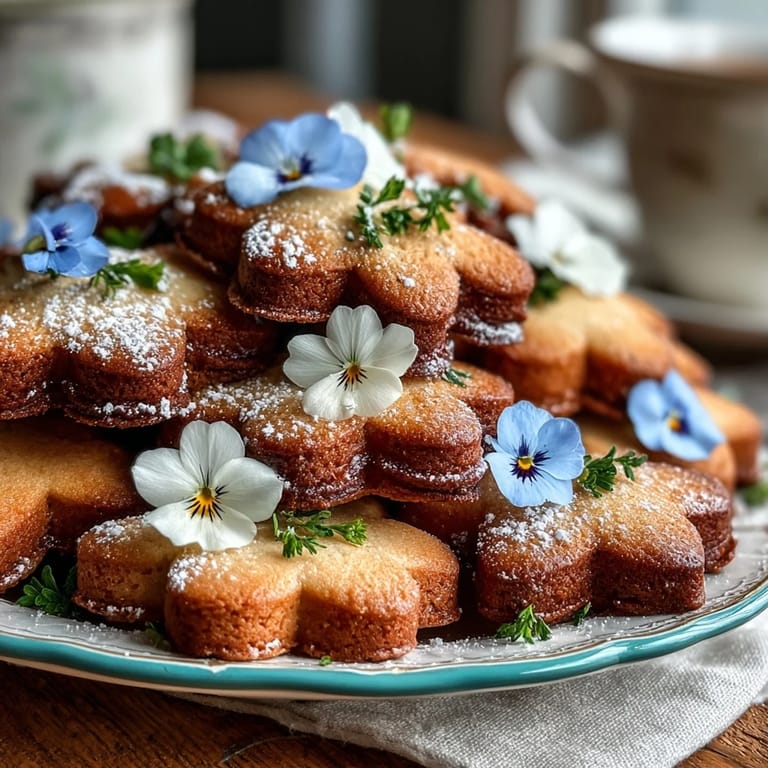
Save These delicate butter cookies have taught me that simple ingredients in the right proportions create something magical, and that sometimes the most impressive thing you can do in a kitchen is step back and let the butter shine. Make them, share them, and watch how something as humble as a flower-shaped shortbread can become a small memory someone carries forward.
Recipe FAQs
- → What type of flour works best for these shortbreads?
All-purpose flour provides the right balance of structure and tenderness essential for a crumbly texture.
- → How can I add a citrus twist to the dough?
Incorporate finely grated lemon or orange zest into the dough for a subtle refreshing flavor.
- → What is the purpose of cornstarch in the dough?
Cornstarch softens the dough, yielding a delicate crumb that enhances the melt-in-mouth quality.
- → Can I decorate these shortbreads?
Yes, by dusting with powdered sugar, sprinkling sanding sugar, or pressing in edible flower petals or pastel icing.
- → How should I store these cookies to keep them fresh?
Store in an airtight container at room temperature for up to one week to maintain freshness.