 Save
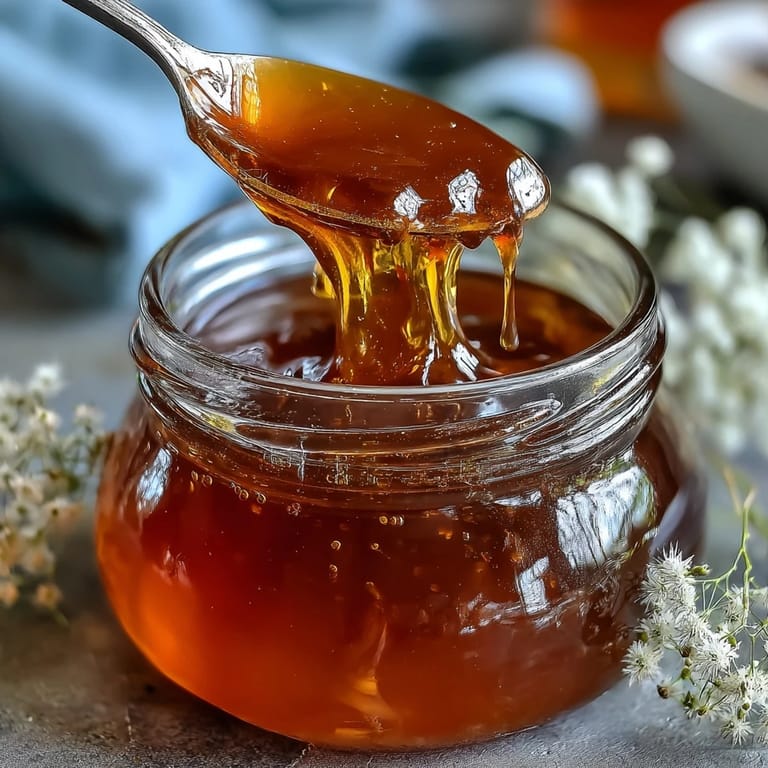
Save My neighbor knocked on my door one April morning with her hands full of dandelion petals, insisting I try making jelly from them. I'd walked past those yellow flowers my whole life without a second thought, but something about the way she described it—golden, delicate, tasting like spring itself—made me curious enough to try. That first batch sat on my shelf for weeks before I worked up the courage to open a jar, and when I did, the flavor was so bright and unexpected that I've been foraging dandelions ever since.
I made this for a dinner party last May, spread thick on warm scones with clotted cream, and one guest actually got quiet for a moment before asking what it was. When I told her it came from weeds in the yard, she laughed so hard she nearly dropped her plate. That jelly became the thing people remembered about the whole meal, which felt like a small victory given how much time I'd spent on everything else.
Ingredients
- Dandelion petals (2 cups, yellow parts only): These are your whole foundation—the green sepals beneath the petals taste genuinely bitter, so take your time separating them; I've learned to pinch them off with my fingernails rather than trying to cut them.
- Water (4 cups): Filtered water works best since you're really tasting the floral essence here, not competing with tap water minerals.
- Lemon juice (2 tablespoons, freshly squeezed): This cuts through the floral sweetness and keeps the jelly from tasting one-dimensional; bottled juice will work but fresh juice makes a noticeable difference.
- Powdered fruit pectin (1 package, 1.75 oz): This is your setting agent, and the powder style gives you more control over texture than liquid pectin does.
- Granulated sugar (4 cups): Standard white sugar works perfectly; don't skip this trying to be clever, because the sugar actually helps the jelly set properly.
Tired of Takeout? 🥡
Get 10 meals you can make faster than delivery arrives. Seriously.
One email. No spam. Unsubscribe anytime.
Instructions
- Pick and prepare your petals:
- Find a clean area away from roads and pesticides, then gently pull the yellow petals away from the bitter green base—this takes patience but it's worth doing right. Rinse them lightly under cool water to shake loose any insects hiding inside.
- Make your infusion:
- Combine the cleaned petals with water in a saucepan and bring everything to a boil, then dial it back to a simmer for just 5 minutes. This brief cook releases the flavor without making the petals turn dark; after that, cover it and let it sit undisturbed for at least 4 hours (overnight is honestly better if you have the time).
- Strain and measure:
- Pour the cooled liquid through a fine mesh sieve lined with cheesecloth, pressing gently on the petals to coax out every bit of that golden liquid—you're aiming for 3½ to 4 cups of infusion. Discard the spent petals and don't second-guess yourself here; this step is where the magic becomes clear liquid.
- Combine and boil:
- Pour your dandelion infusion into a large pot with the lemon juice and pectin, stirring until the pectin dissolves completely. Crank the heat to high and get this to a rolling boil (the kind that doesn't stop when you stir it), which usually takes about 5 minutes.
- Add sugar and reach setting point:
- Dump all your sugar in at once while stirring constantly, then bring the whole thing back to that vigorous rolling boil and keep it there for 1 to 2 minutes, watching your thermometer until it hits 220°F—this is the moment everything transforms from syrup to jelly. You'll feel the texture thicken slightly and your spoon will drag through it differently; trust that feeling.
- Finish and jar:
- Pull it off the heat and skim away any foam that's collected on top with a spoon. Working quickly but carefully, ladle the hot jelly into sterilized jars leaving about ¼ inch of headspace, wipe the rims clean, and seal with lids.
- Process and cool:
- Submerge your sealed jars in a boiling water bath for 10 minutes, then lift them out and let them sit completely undisturbed on the counter for 12 hours while they set. The lids will pop as they cool, which is your signal that the seal worked.
 Save
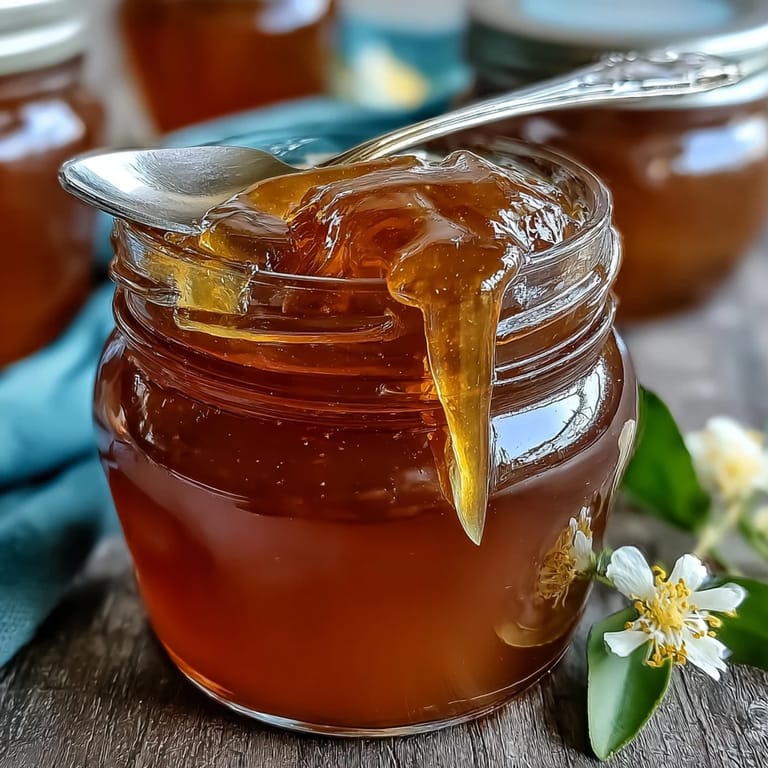
Save Last summer my daughter asked why I spent so much time in the kitchen making jelly when I could just buy it, and I let her help with a batch. Watching her carefully separate each petal, taste the infusion, and then see the confusion on her face when hot liquid suddenly thickened into jelly—that's when she understood it was never really about the spread. It became about showing her that attention and patience transform ordinary things into something worth treasuring.
Foraging and Sourcing Your Dandelions
The most critical part of this recipe actually happens before you cook anything—finding clean dandelions in a place where they haven't been sprayed with pesticides or treated with any chemicals. Ask neighbors if they have yards they don't treat, check local parks (and ask permission), or look for untended patches along quiet roadsides away from traffic. I've learned to forage in early morning when the petals are still firm and fresh, and I always bring a small bag to collect them in rather than crushing them in my hands.
Variations and Flavor Twists
Once you've mastered the basic version, you can start playing around with additions that complement the delicate floral taste. I've added orange zest for brightness, a tiny pinch of cardamom for warmth, and even fresh rose petals mixed with the dandelions when I wanted something more romantic. The beauty of this recipe is that it's forgiving enough to handle gentle flavor additions without losing its essential character.
Serving and Storage Ideas
This jelly is elegant enough to serve with soft cheeses and crackers, but it also transforms a simple piece of toast into something that feels a bit special. I've used it as a glaze on roasted duck, swirled into vanilla yogurt, and even used it to fill thumbprint cookies at holiday time. Beyond the obvious uses, think about layering it into desserts, brushing it on baked goods, or even thinning it slightly with a splash of water to drizzle over ice cream.
- Store sealed jars in a cool dark place where they'll keep for up to a year, though honestly they rarely last that long once people know you have them.
- Once opened, keep jars refrigerated and use within a few weeks, since there's no preservative in here besides the sugar and the seal.
- If a jar doesn't seal properly (you'll know because the lid won't pop when it cools), just refrigerate it and use it within a month.
 Save
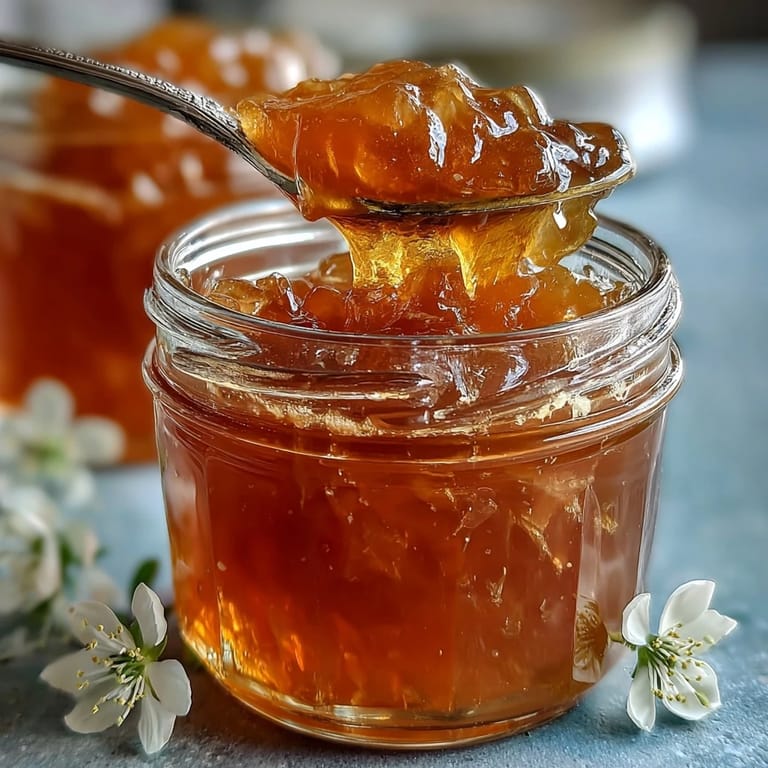
Save There's something quietly satisfying about having a shelf of jars you made yourself, especially when they're filled with something you foraged. Every time someone spreads some on their toast, they're tasting spring.
Recipe FAQs
- → How do I prepare dandelion petals for the floral spread?
Remove all green parts such as sepals and stems to avoid bitterness. Rinse petals gently to clean before steeping.
- → What is the purpose of steeping dandelion petals for several hours?
Steeping extracts the delicate floral flavors and natural color, enhancing the infusion before combining with other ingredients.
- → Can I add any citrus twists to enhance the flavor?
Yes, adding orange zest along with lemon juice provides a bright, citrusy note that complements the floral character.
- → What consistency should I expect from the finished spread?
The finished spread should set firmly yet remain smooth and spreadable, achieved by boiling to the setting point with pectin.
- → How should I store this floral spread for best quality?
Seal jars after filling and process in a boiling water bath to ensure preservation. Store in a cool, dark place once sealed.
- → Is this spread suitable for special diets?
Yes, it is vegan and gluten-free, made from natural ingredients without common allergens.