 Save
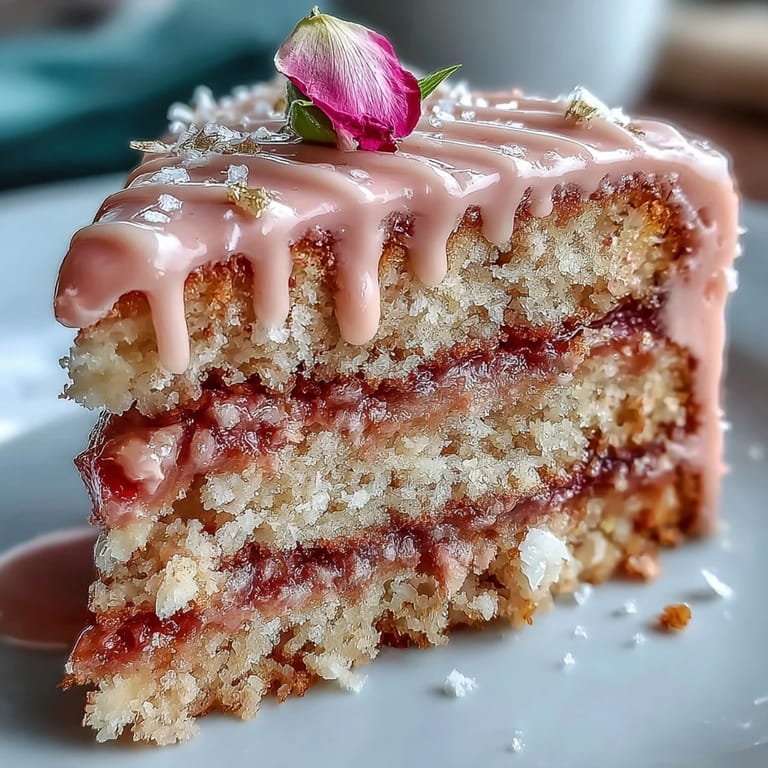
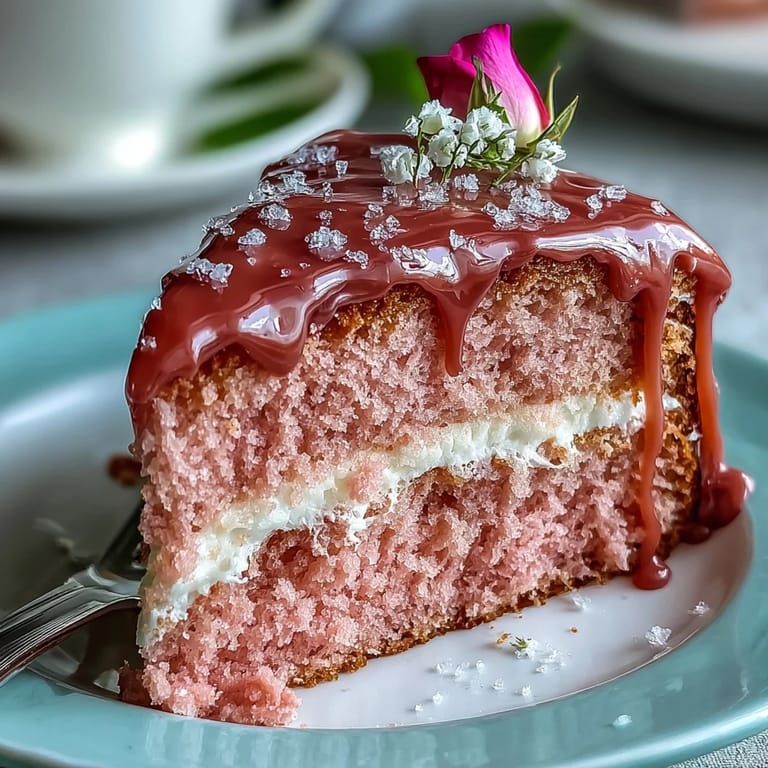
Save The perfume of rosé always reminds me of summer evenings spent setting up pastel streamers for a friend’s garden bridal shower, when the kitchen looked more like a confetti factory than a workspace. The idea for a rosé velvet cake struck as I watched the pale-pink wine catch the sunlight in our glasses—a touch of whimsy for an occasion bursting with possibility. My first attempt splashed a bit more wine into both the batter and my apron, but that lingering fragrance made each imperfect swirl feel utterly celebratory. Chilled buttercream, glints of gold, and those nervous, happy giggles from the bride-to-be: this isn’t just a cake—it’s a statement piece. Creating it feels like painting a memory with flavors instead of watercolors.
I’ll never forget the moment we placed this cake at the center of the big floral table—everyone gasped. No one suspected the bride’s mischievous best friend had rushed home for a replacement gold paintbrush after the original mysteriously disappeared into a pile of gift wrap. That kind of kitchen comedy makes you appreciate both quick thinking and a cake sturdy enough to survive a few shenanigans. The pink crumb glowed in the afternoon sun and everyone started debating whether the secret was in the wine or the buttercream. That afternoon, the only real consensus: never skip the gold drip.
Ingredients
- All-purpose flour: Go for a gentle hand when sifting—too much packing dulls the crumb’s light bounce.
- Granulated sugar: Don’t rush the mixing; letting it dissolve creates a tight yet tender texture.
- Baking soda: Gives just enough lift for a delicate, not spongy, crumb—double-check it's still fresh.
- Fine salt: Brings out every note, balancing the sweetness of both the cake and buttercream.
- Cocoa powder (unsweetened): Just a touch gives depth to the pink; don’t overdo it, or the color will muddy.
- Vegetable oil: Keeps the cake moist and velvety—don’t sub in butter for this step.
- Eggs, room temperature: Room temp ensures even blending; cold eggs can seize up the batter.
- Buttermilk, room temperature: Adds brightness; I let mine sit out while prepping the other ingredients.
- Rosé wine: Dry or sparkling rosé works best for subtle floral notes—taste it before using.
- Vanilla extract: Natural vanilla gives a rounder flavor; synthetic doesn’t sing the same way.
- White vinegar: Reacts with baking soda for a unique rise, leaving no sharpness at all.
- Pink or rose gel food coloring: Use gel for intensity—liquid coloring can water down the batter.
- Unsalted butter, room temperature: For the buttercream, soft enough to whip fluffy but not oily.
- Powdered sugar, sifted: Grit-free sugar is the key to silky frosting; always sift first.
- Heavy cream: Makes the gold drip glossy and helps achieve the right pouring consistency.
- White chocolate chips: Melts easily and forms the perfect base for edible gold paint.
- Edible gold luster dust: Check labels to ensure it’s food-grade—not all shiny dusts are edible.
- Vodka or clear lemon extract: Use to dissolve luster dust without seizing the white chocolate.
- Rose petals or berries (optional): For decorating, fresh petals add that extra wow if time allows.
Tired of Takeout? 🥡
Get 10 meals you can make faster than delivery arrives. Seriously.
One email. No spam. Unsubscribe anytime.
Instructions
- Prep the Pans:
- Grease and line three 8-inch cake pans with parchment—run your fingers around the edges to catch every spot.
- Mix Dry Ingredients:
- Sift together flour, sugar, baking soda, salt, and cocoa powder until you see a fluffy, cloudlike mound; avoid clumps.
- Combine Wet Ingredients:
- Whisk oil, eggs, buttermilk, rosé, vanilla, and vinegar in a separate bowl—the buttermilk will create a soft, fragrant foam.
- Make the Batter:
- Pour wet into dry and mix just until streaks disappear, then gently blend in gel food coloring until you hit the perfect pink hue.
- Bake the Cakes:
- Divide batter among the pans, slide into the oven, and bake until a toothpick comes out barely clean and tops spring back to the touch.
- Cool Down:
- Let cakes sit in their pans for 10 minutes (they steam just a bit), then turn onto racks to finish cooling completely.
- Make the Rosé Buttercream:
- Beat butter at high speed until creamy and pale, then add powdered sugar gradually, letting each addition disappear before adding more.
- Finish the Frosting:
- Add rosé, vanilla, and salt, then whip until you see soft peaks and a dreamy, spreadable texture; add more rosé or sugar to reach your favorite consistency.
- Layer and Crumb Coat:
- Trim cakes if needed, stack with a layer of buttercream in between, and spread a light crumb coat before chilling so the final frosting layer goes on smooth.
- Whip Up the Gold Drip:
- Melt white chocolate chips with heavy cream, stirring until smooth; let it cool briefly before using so it doesn’t melt the icing.
- Apply the Gold Drip:
- Pour cooled white chocolate over the cake’s edges for drips, then paint set drips with edible gold using a food-safe brush.
- Decorate:
- Add rose petals, berries, or gold flecks as the finishing touch—stand back and admire, even if only for a few seconds before slicing in.
 Save
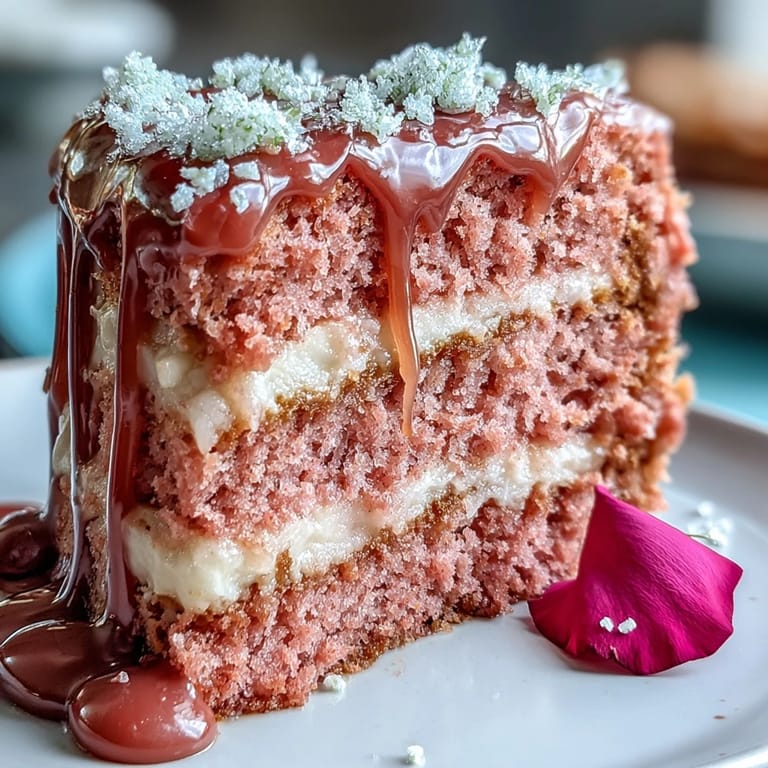
Save Somehow, this cake has become the stuff of stories—one slice prompts hours of conversation about food, weddings, and the wild beauty of edible glitter. Someone always takes a photo mid-bite, gold glinting on their fork, and the celebration feels even more real.
Making It Ahead and Storage
Prepping this cake a day ahead rescued me from last-minute chaos more times than I can count. After assembling, cover and refrigerate, then let it return to room temperature before that first ceremonial slice for the best texture.
Picking the Perfect Rosé
Tasting the wine before pouring it into the batter became a fun step—I discovered that lighter, crisp rosés from Provence make the cake extra fragrant without overpowering the crumb. Sparkling rosé adds a subtle zing, too, if you’re in a festive mood.
Decorating with Gold and Blooms
The real magic happens in those last moments with a brush and shimmering dust—the cake comes alive under your hands, imperfections and all. Fresh edible flowers elevate the look (but be extra-sure they’re food safe), and leftover berries are always welcome.
- Keep the paintbrush just for food to avoid stray flavors.
- If the gold drip thickens, microwave for 5 seconds and stir.
- Decorating goes faster with a friend to hand you supplies—or catch stray petals.
 Save
Save This cake truly is a celebration centerpiece: elegant, playful, and destined to spark a few happy gasps every time you serve it. May every bite linger in memory as much as the party itself.
Recipe FAQs
- → Which rosé works best for the batter and buttercream?
Choose a dry or lightly fruity rosé—still or gently sparkling. It adds floral and red-fruit notes without extra sweetness. Reduce other liquids if your wine is particularly wet, and taste as you go when adding wine to the buttercream.
- → How can I make evenly baked layers?
Weigh or measure batter to divide it evenly between pans, tap out air bubbles, and rotate pans halfway through baking. Level the domes with a serrated knife once cooled; chilling the layers makes trimming and stacking neater.
- → What’s the best method for a stable gold drip?
Make a white chocolate drip by melting chocolate with cream to a pourable ganache, then cool slightly so it thickens but still flows. Pour from the center edge slowly to control drips. Mix edible luster dust with a small amount of food-safe alcohol or clear extract to paint the set drip—only use products labeled edible.
- → Can I omit alcohol and keep the same flavor?
Yes—substitute rosé in the cake with an equal amount of buttermilk plus a teaspoon or two of rose water or apple juice for aroma. For the buttercream, replace rosé with a splash of strong brewed tea or additional vanilla while adjusting powdered sugar to reach the right consistency.
- → How should I store and prepare ahead?
Assemble and chill the cake up to a day ahead; keep covered in the refrigerator. Bring it to room temperature for 30–60 minutes before serving for the best texture and flavor. If decorated with delicate petals, add them just before presenting.
- → Any tips for allergy-friendly swaps?
For dairy-free versions, use plant-based butter and coconut or soy-based cream for the drip, noting texture differences. Egg replacers can work in the sponge but may change crumb and rise; test a small batch if making major substitutions.